
The Role of Polyurea in Roof Restoration and Asset Protection
Commercial roofs do more than cover a building. They protect inventory, equipment, employees, tenants, and day-to-day operations. When a roof begins to show signs of age, wear, leaks, UV exposure, or surface deterioration, building owners are often faced with an important decision: restore the existing roof or replace it entirely.
In many cases, roof restoration offers a more efficient, cost-conscious path forward. Instead of tearing off a roof that still has a viable substrate, restoration systems can help extend service life, improve performance, and reduce disruption. One solution gaining attention in the commercial roofing industry is polyurea roof coating.
Known for its fast cure time, durability, flexibility, and resistance to harsh conditions, polyurea can play an important role in both roof restoration and long-term asset protection.
What Is Polyurea?
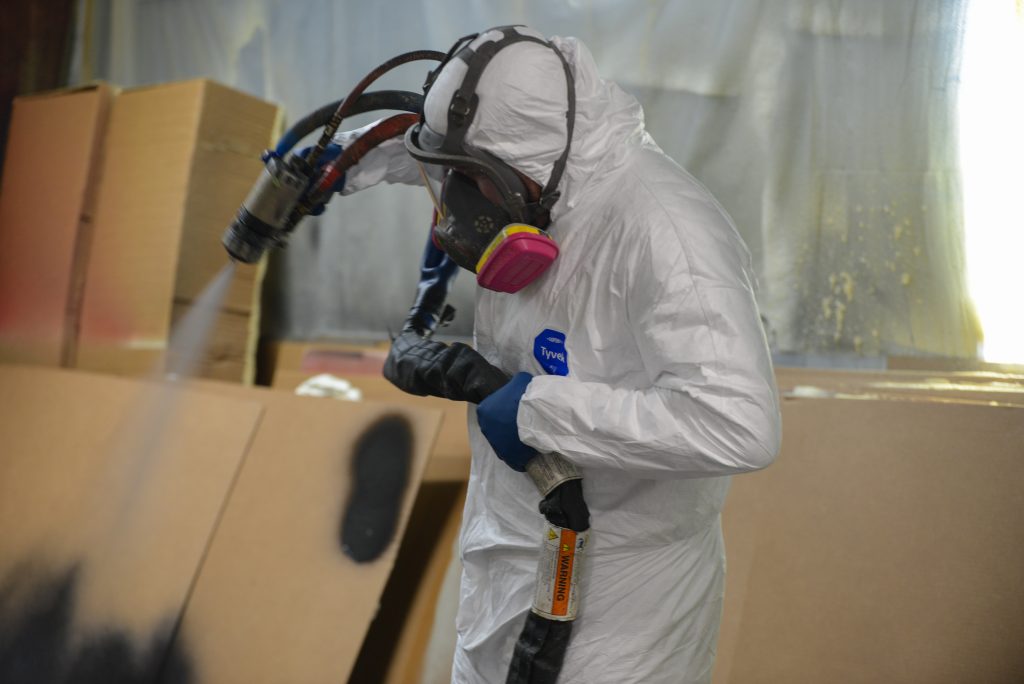
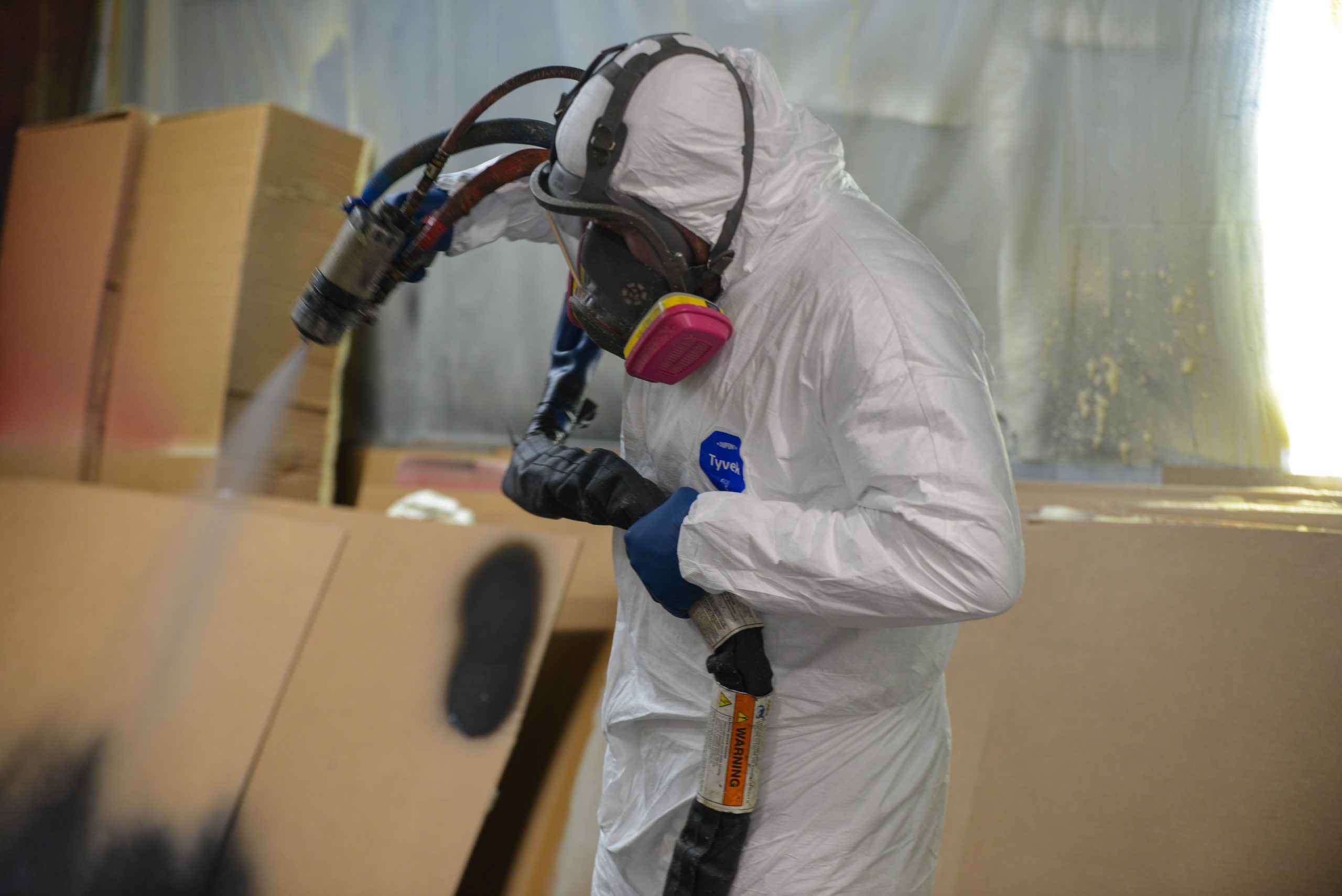
Polyurea is a high-performance protective coating formed through a reaction between an isocyanate component and a resin blend component. Once applied, it creates a seamless, flexible membrane designed to protect surfaces from moisture, abrasion, impact, chemicals, and environmental exposure.
For roofing applications, polyurea is often used where speed, strength, and durability are critical. Its fast set and cure characteristics allow contractors to complete projects efficiently while helping building owners minimize downtime.
Polyurea can be used as part of a broader roof restoration strategy, depending on the roof type, existing conditions, project goals, and product selection.
Why Roof Restoration Matters
Aging roofs can create serious challenges for commercial properties. Even minor damage can lead to leaks, insulation issues, energy loss, interior damage, and costly emergency repairs. For facilities with sensitive equipment, tenant operations, or production schedules, roofing problems can quickly become operational problems.
Roof restoration helps address these challenges by improving the performance of the existing roof system without requiring a full tear-off. When the roof is structurally sound and properly evaluated, restoration can help:
- Improve waterproofing
- Extend roof service life
- Reduce replacement waste
- Limit business disruption
- Control roofing costs
- Protect the building envelope
Instead of reacting to roof failure, restoration gives owners and facility managers a proactive way to protect their investment.
Where Polyurea Fits Into Roof Restoration
Polyurea is especially valuable in restoration projects that require a durable, seamless protective layer. Once applied, it creates a continuous membrane that helps reduce vulnerable seams, cracks, and penetration points where water can enter.
Because polyurea cures quickly, it can also support faster project timelines compared to some traditional coating systems. This can be especially beneficial for commercial and industrial facilities where access, production schedules, weather windows, and downtime all matter.
In roof restoration, polyurea may be used to help protect areas exposed to repeated stress, harsh weather, foot traffic, standing water concerns, or demanding environmental conditions. It can also be part of a system designed to reinforce an existing roof and improve long-term performance.
Key Benefits of Polyurea for Commercial Roofs
1. Fast Cure Times
One of the most recognized advantages of polyurea is its rapid cure time. Depending on the formulation and application conditions, polyurea can set within seconds and cure quickly, allowing contractors to move efficiently through the project.
For building owners, this can mean less disruption, reduced exposure during application, and a faster return to normal operations.
2. Seamless Protection
Seams, fasteners, transitions, and penetrations are common weak points on many commercial roofs. A spray-applied polyurea coating creates a seamless protective membrane that helps reduce potential failure points.
This seamless application can be especially useful on roofs with complex details, irregular surfaces, or areas that are difficult to protect with traditional materials.
3. Resistance to Moisture and Weathering
Commercial roofs face constant exposure to rain, wind, UV rays, temperature shifts, and seasonal weather patterns. Polyurea is designed to provide a strong barrier against moisture intrusion while maintaining flexibility as the roof expands and contracts.
This combination of protection and flexibility makes polyurea a valuable option for roofs that need to withstand changing environmental conditions.
4. Abrasion and Impact Resistance
Some commercial roofs experience more than weather exposure. Foot traffic, service equipment, debris, maintenance work, and rooftop mechanical units can all contribute to wear and tear.
Polyurea’s resistance to abrasion and impact helps protect the roof surface from repeated stress. This makes it a strong option for facilities where durability is a priority.
5. Flexibility and Elongation
Roof systems move. Temperature changes, building movement, and environmental stress can cause expansion and contraction over time. A coating that is too rigid may crack or fail under movement.
Polyurea offers flexibility and elongation, helping it perform in conditions where movement is expected. This flexibility supports long-term asset protection by helping the coating maintain coverage over time.
Polyurea and Asset Protection
A commercial roof is one of the most important assets on a building, but it also protects everything underneath it. When a roof fails, the cost is not limited to repairs. Leaks can damage inventory, interrupt operations, create tenant concerns, impact safety, and lead to additional maintenance expenses.
Polyurea supports asset protection by creating a durable barrier between the building and the conditions that threaten it. For property owners and facility managers, that means roof restoration is not just about extending the life of a roof. It is about protecting the larger investment.
A properly selected and professionally applied polyurea system can help:
- Protect the building envelope
- Reduce the risk of water intrusion
- Support long-term maintenance planning
- Help delay costly roof replacement
- Minimize operational interruptions
- Preserve the value of the property
For contractors, offering polyurea as part of a restoration solution can also help meet customer needs for performance, efficiency, and long-term protection.
Polyurea vs. Roof Replacement
Full roof replacement is sometimes necessary, especially when the existing roof is severely damaged, saturated, or structurally compromised. However, not every aging roof requires replacement.
When the existing roof is a good candidate for restoration, polyurea can help provide a protective solution without the cost, disruption, and waste associated with a complete tear-off.
Compared to replacement, restoration with protective coatings may offer several advantages:
- Less disruption to building operations
- Reduced labor and disposal requirements
- Lower environmental impact from tear-off waste
- Faster project completion
- Extended roof life at a lower lifecycle cost
The key is proper evaluation. Before any restoration project begins, the roof should be inspected to determine moisture levels, substrate condition, adhesion requirements, drainage concerns, and overall system compatibility.
Why Surface Preparation Matters
Polyurea is a high-performance material, but its success depends on proper preparation and application. Surface preparation is one of the most important steps in any roof coating project.
Before polyurea is applied, contractors may need to clean the surface, remove loose material, address existing damage, repair seams or penetrations, and confirm the substrate is ready for coating. Primer selection, environmental conditions, equipment settings, and application technique also play a major role in performance.
This is where technical support and manufacturer partnership matter. Contractors need more than a product. They need guidance, training, and responsive support to help ensure the system is applied correctly.
Choosing the Right Polyurea Roofing Solution
Not all polyurea coatings are the same. Different formulations may be better suited for different roofing conditions, performance requirements, and exposure levels. For example, aromatic, aliphatic, and hybrid polyurea systems can each serve different purposes depending on UV exposure, color stability, budget, and project goals.
The right solution depends on the roof, the environment, and the expectations for long-term performance.
When selecting a polyurea roof coating, consider:
- Existing roof type and condition
- UV exposure and color stability needs
- Expected foot traffic or mechanical access
- Moisture and drainage conditions
- Application environment
- Project timeline
- Long-term maintenance plan
A qualified contractor and a reliable manufacturer can help determine which product or system is the best fit.
How Rugged Coatings Supports Roof Restoration
At Rugged Coatings, we understand that roof restoration is about more than applying a coating. It is about helping contractors and property owners protect valuable assets with dependable roofing solutions.
Our polyurea coatings are designed for demanding applications where strength, flexibility, and fast cure performance matter. Whether used to restore an aging commercial roof, protect high-stress areas, or support a larger roofing system, polyurea can help extend roof life and improve long-term durability.
Rugged Coatings is committed to supporting contractors with product knowledge, technical guidance, and partnership throughout the restoration process. From product selection to application support, our goal is to help roofing professionals deliver systems that perform.
Is Polyurea Right for Your Roof Restoration Project?
Polyurea can be an excellent option for commercial roof restoration and asset protection, but the right solution depends on the specific roof and project conditions. A professional roof evaluation is the first step in determining whether restoration is possible and which coating system will provide the best long-term value.
For building owners, polyurea offers a way to protect the roof, reduce disruption, and extend the life of an existing asset. For contractors, it provides a high-performance solution that can help meet the demands of modern commercial roofing.
When speed, strength, flexibility, and protection matter, polyurea deserves a place in the roof restoration conversation.
Contact Rugged Coatings today to learn how our polyurea roofing solutions can help restore, protect, and extend the life of your commercial roof.